
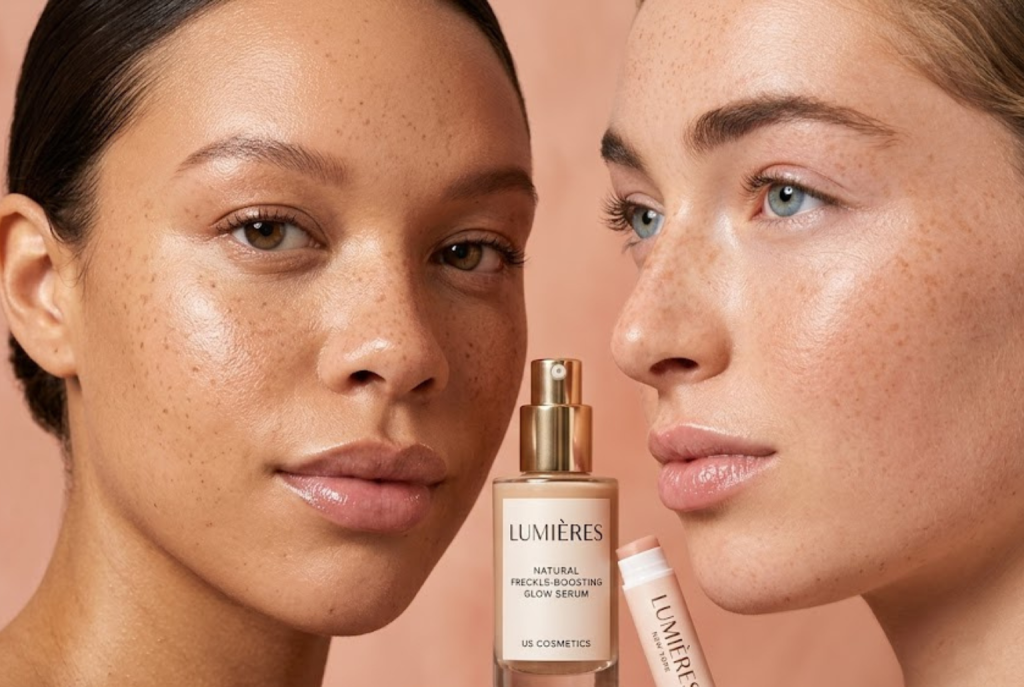
Hydrating vs. moisturizing — these two terms are used interchangeably every day in the skincare world, yet they mean completely different things. If you’ve ever wondered why your skin still feels dry after applying lotion, or why it looks dull despite drinking plenty of water, understanding the difference between hydrating and moisturizing could be the game-changer your routine needs.
Below, two board-certified dermatologists break down exactly what sets these two skincare concepts apart — and how to know which one your skin is craving.
Table of Contents
What Does Hydrating Your Skin Mean?
According to Dr. Anna Guanche, M.D., a board-certified dermatologist in Los Angeles, hydrating vs. moisturizing starts with understanding what happens inside the cell. Hydration refers to the water content within the skin cells that causes them to swell and become plump — giving skin a healthy appearance and helping it reflect light properly.
“If water flows out of the cells and the cells are dehydrated, they can become shriveled, which leads to lackluster skin.” — Dr. Anna Guanche, M.D.
Topical hydrating products work by pulling water into the skin cells, allowing skin to absorb moisture and nutrients more effectively. This leaves cells plump and supple, improving hydration levels, skin barrier function, and overall appearance.
Signs your skin needs hydration:
- Dull, lackluster complexion
- Stubborn fine lines and deep wrinkles
- Thin, low-elasticity skin that feels tight
- Skin that feels dehydrated even after drinking water
What Does Moisturizing Your Skin Mean?
When comparing hydrating vs. moisturizing, moisturizing is more about trapping moisture and sealing it in to help build the skin’s protective barrier, prevent water loss, and keep skin soft and smooth, says Dr. Tsippora Shainhouse, M.D., F.A.A.D, a board-certified dermatologist in Los Angeles.
Moisturizers can be emollients, humectants, occlusives, or oil-based ingredients that create a seal on the surface of the skin that prevents water from escaping. The more water retained in the skin, the healthier and softer it becomes. All skin types need moisturizing — especially if skin tends to be dry, rough, or has flaky patches.
Common moisturizing ingredients to look for:
- Emollients – soften and smooth the skin surface
- Humectants – attract water to the skin
- Occlusives – form a protective barrier to lock in moisture
- Ceramides and natural oils – reinforce the skin’s lipid barrier
One highly recommended option is SkinCeuticals Daily Moisture — a lightweight yet deeply nourishing moisturizer that locks in hydration and keeps skin soft, smooth, and balanced throughout the day.
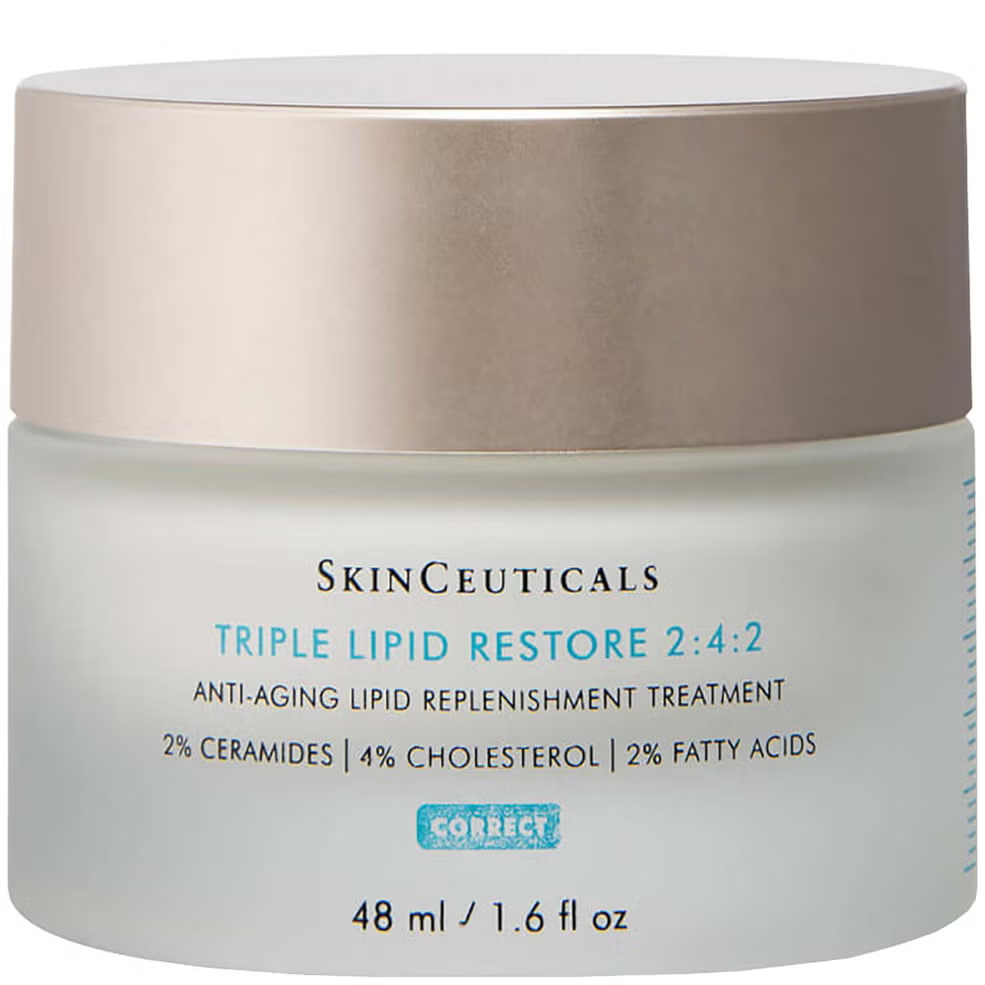
7 Key Differences Between Hydrating vs. Moisturizing Skin
Understanding hydrating vs. moisturizing becomes much clearer when you look at the core differences side by side:
- What they target: Hydrating adds water to skin cells; moisturizing seals water in.
- Where they work: Hydrators work at the cellular level; moisturizers work on the skin’s surface.
- Key ingredients: Hydrators use humectants like hyaluronic acid; moisturizers use occlusives and emollients like ceramides and shea butter.
- Skin concern they address: Hydrators target dullness and dehydration; moisturizers target dryness and flakiness.
- Order of application: Hydrators go on first; moisturizers go on second to lock everything in.
- Skin type suitability: Hydrating ingredients suit all skin types; heavy moisturizers may not suit oily or acne-prone skin.
- Effect on skin barrier: Hydrators plump the cells; moisturizers reinforce the lipid barrier that prevents water loss.
How to Know If Your Skin Needs Hydration or Moisture
When deciding between hydrating vs. moisturizing, observe your skin’s current condition carefully:
- Dry, flaky, or rough skin → The skin lacks a healthy lipid barrier → Use a moisturizer
- Dull, tired skin with persistent fine lines → The skin cells are water-starved → Use a hydrator
- Both dull AND dry → Your skin needs both, applied in the correct order
“People can have hydrated but dry skin, or dehydrated but moisturized skin. Ideally, we want hydrated, bouncy, swollen cells that have topical moisture locked into them.” — Dr. Anna Guanche, M.D.
How to Hydrate the Skin
The most essential step in any hydrating vs. moisturizing routine is ensuring your skin has adequate water to work with. Drinking enough water daily is the foundation, but topical hydrators are equally important.
Best hydrating ingredients to look for:
- Hyaluronic acid
- Aloe vera
- Honey
- Alpha hydroxy acids (AHAs)
- Marine extracts
- Glycerin, urea, and propylene glycol
According to Dr. Shainhouse: “Hydrating ingredients are generally appropriate for all skin types. They are water-soluble, won’t clog pores, and should be devoid of alcohol so they don’t actively dry out or irritate the skin surface.”
How to Moisturize the Skin
The second half of the hydrating vs. moisturizing equation is choosing the right moisturizer for your skin type and the season.
- Warm, humid months: Opt for a lightweight gel or light lotion
- Cold, dry months: Choose heavier products with ceramides, natural oils, shea butter, or dimethicone
Dr. Guanche’s recommendations by skin type:
- Acne-prone skin: Light, oil-free moisturizer or lotion
- Combination skin: A balanced lotion or light cream
- Dry skin: A serum or more emollient cream
Frequently Asked Questions About Hydrating vs. Moisturizing
Do You Hydrate or Moisturize First?
When it comes to hydrating vs. moisturizing order, always apply your hydrating product first, then follow up with a moisturizer. This ensures water enters the cells before being sealed in from the outside.
Does Your Skin Need Both a Hydrator and a Moisturizer?
Not every skin type requires both products in the hydrating vs. moisturizing debate — some do well with just one. However, many skin types benefit from using both together for optimally plump, soft, and healthy-looking skin.
Can Oily Skin Be Dehydrated?
Yes — oily skin can absolutely be dehydrated. This is one of the most misunderstood aspects of the hydrating vs. moisturizing conversation. Oily skin still needs hydration; it just requires lighter, non-comedogenic products.
The Bottom Line
Understanding hydrating vs. moisturizing is one of the most valuable things you can do for your skin. Hydrators replenish water inside the cells; moisturizers lock that water in. Both are essential for healthy, glowing skin. Apply them in the morning before sunscreen and again at night for the best results.