
Best Sunscreen Guide 2026: How to Choose the Right One for Your Skin
Finding the best sunscreen is no longer optional—it’s the most essential step in any effective daily skincare routine. Whether you’re trying to prevent premature aging, avoid painful sunburns, or protect yourself from long-term skin damage, choosing the right SPF product can make all the difference in your complexion.
In this comprehensive guide, you’ll learn how to choose the best sunscreen for your specific skin type, understand what SPF levels actually mean, and discover how to apply it correctly for maximum, all-day protection.
Table of Contents
What Does SPF Mean? How Much SPF Do You Need?
SPF stands for Sun Protection Factor. It specifically measures how well a sunscreen protects your skin from UVB rays, which are the primary rays responsible for sunburn and skin reddening. But it’s not a direct measurement of time, but rather of protection levels.
Recommended SPF Levels for Daily Use
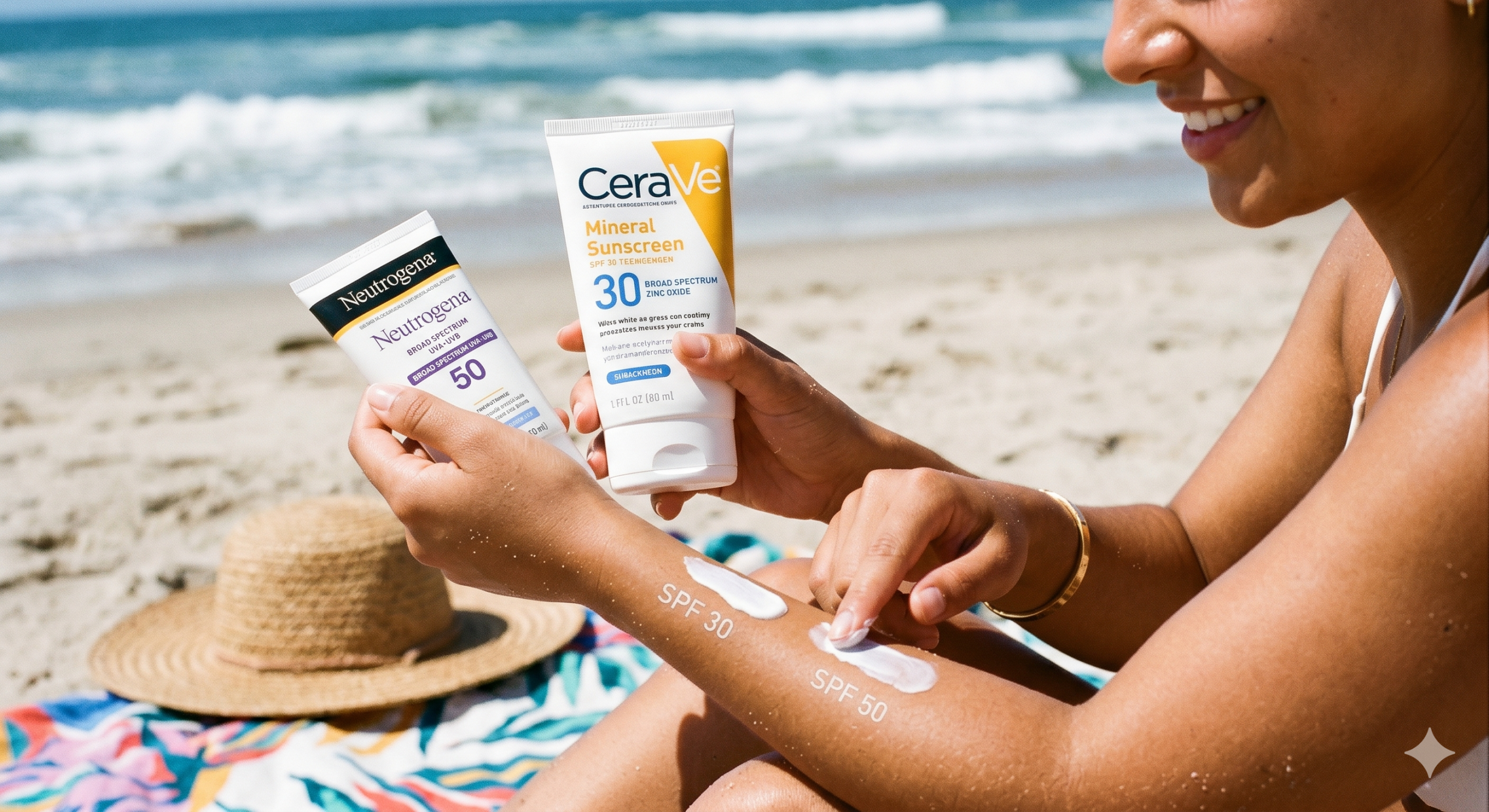
- SPF 30: Suitable for daily use, office workers, and short indoor activities. It blocks about 97% of UVB rays.
- SPF 50+: Ideal for outdoor activities, beach days, sports, or prolonged sun exposure. It blocks about 98% of UVB rays.
Pro Tip: No matter the SPF level you choose, always remember to reapply sunscreen every 2 hours for continued and effective protection. Applying it once in the morning is not enough for an entire day outdoors.
Why Broad-Spectrum Protection Matters
When shopping for the best sunscreen on the market, you must ensure it explicitly states it offers broad-spectrum protection. This means the formula protects your delicate skin against both UVA and UVB rays.
- UVA rays: These penetrate deep into the dermis. They are the main culprits behind premature aging, fine lines, wrinkles, and dark spots.
- UVB rays: These affect the superficial layers of the skin, causing sunburn and directly contributing to the development of skin cancer.
For more detailed scientific information on UV radiation, you can read the guidelines provided by the Skin Cancer Foundation.
Mineral vs. Chemical Sunscreen: What’s the Difference?
Choosing between mineral and chemical active ingredients depends on your personal preference and skin needs.
Mineral (Physical) Sunscreen
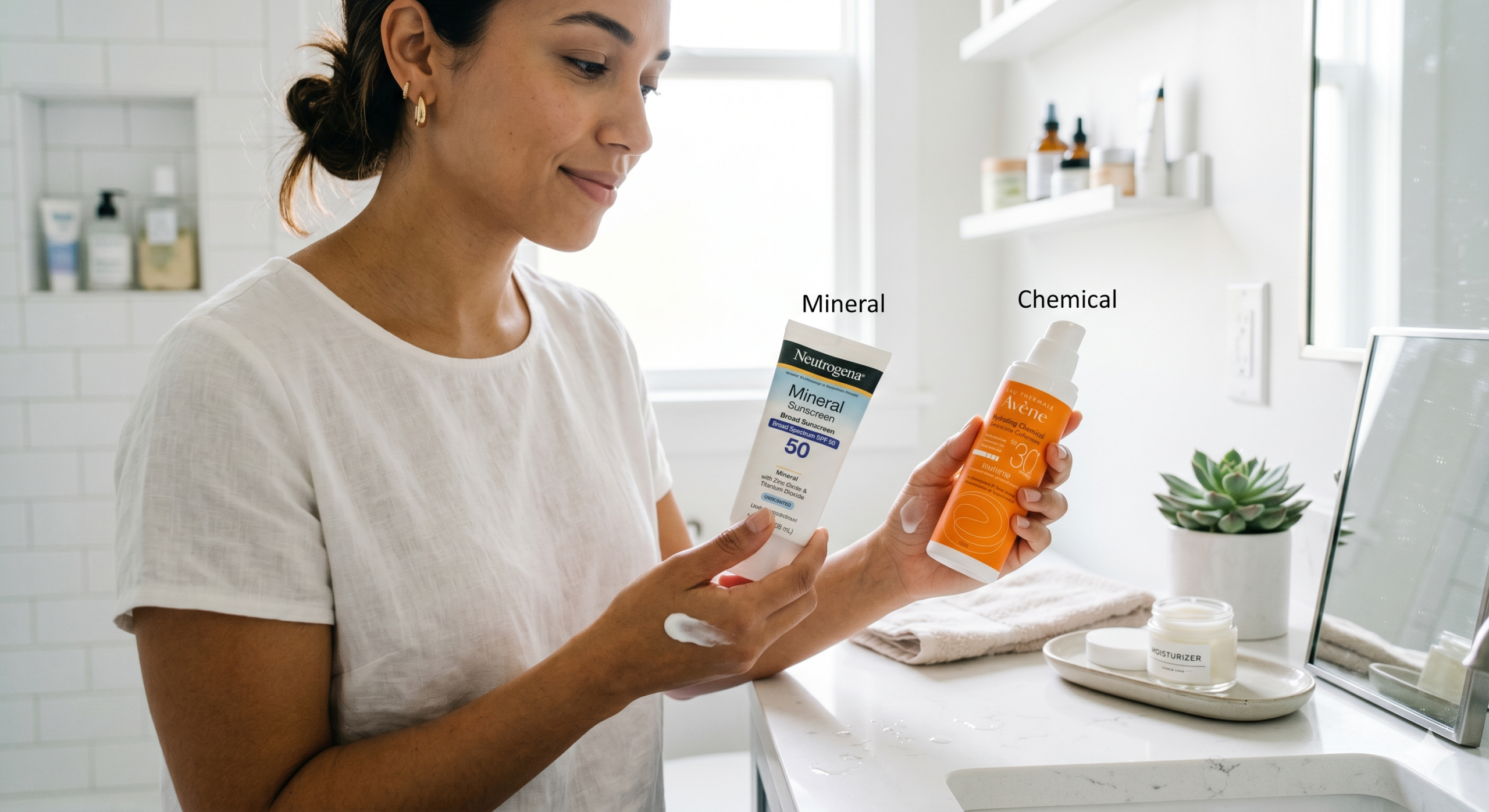
This type contains active mineral ingredients like zinc oxide or titanium dioxide. They sit on top of the skin and act as a physical shield, reflecting UV rays away from your body.
A great example is the Alastin HydraTint Pro Mineral Sunscreen SPF 36 — a tinted mineral moisturizer that delivers broad-spectrum protection while blending seamlessly into the skin.
- Best for: Sensitive, acne-prone, or highly reactive skin.
- Pros: Gentle, starts working immediately upon application, less likely to cause irritation.
- Cons: May leave a noticeable white cast and usually has a thicker texture.
Chemical Sunscreen
Chemical formulas absorb UV rays like a sponge, convert them into heat, and then release that heat from the skin.
- Best for: Normal, oily, or combination skin types.
- Pros: Lightweight, easy to blend, leaves no white cast, and performs well under makeup.
- Cons: Takes 15-20 minutes to become effective and may irritate extremely sensitive skin.
How to Choose the Best Sunscreen Based on Your Skin Type
Finding the right texture and formula is key to making sure you actually wear your SPF every single day. Incorporating the right product into your Dermluxa daily skincare routine ensures your skin stays protected and glowing.
Sensitive Skin
Choose a mineral sunscreen with gentle, soothing ingredients. Always avoid artificial fragrances, essential oils, and harsh drying alcohols.
Acne-Prone Skin
Look for labels that say “oil-free” and “non-comedogenic.” These lightweight formulas provide the best sunscreen protection without clogging your pores.
Oily Skin
Opt for fluid, gel-based, or matte-finish sunscreens that help control excess sebum production throughout the day.
Dry Skin
Use hydrating sunscreens packed with moisturizing ingredients like hyaluronic acid or ceramides to lock in moisture.
The Alastin HydraTint Pro Mineral SPF 36 is an excellent option, combining deep hydration with broad-spectrum mineral protection in one lightweight daily moisturizer.
Common Sunscreen Myths Busted
There is a lot of misinformation about sun care. Let’s clear up some common myths.
Myth 1: You don’t need sunscreen on cloudy days.
Fact: Up to 80% of the sun’s harmful UV rays can penetrate through clouds. You still need the best sunscreen possible, even when it’s overcast.
Myth 2: People with dark skin don’t need SPF.
Fact: All skin tones are susceptible to sun damage and skin cancer. Everyone needs SPF.
Advanced Sunscreen Formats for 2026
For this 2026 guide, we are focusing on how much easier it is to stay protected with new product formats. From touch-up mists to invisible sticks, there is a formulation for every moment of your day.
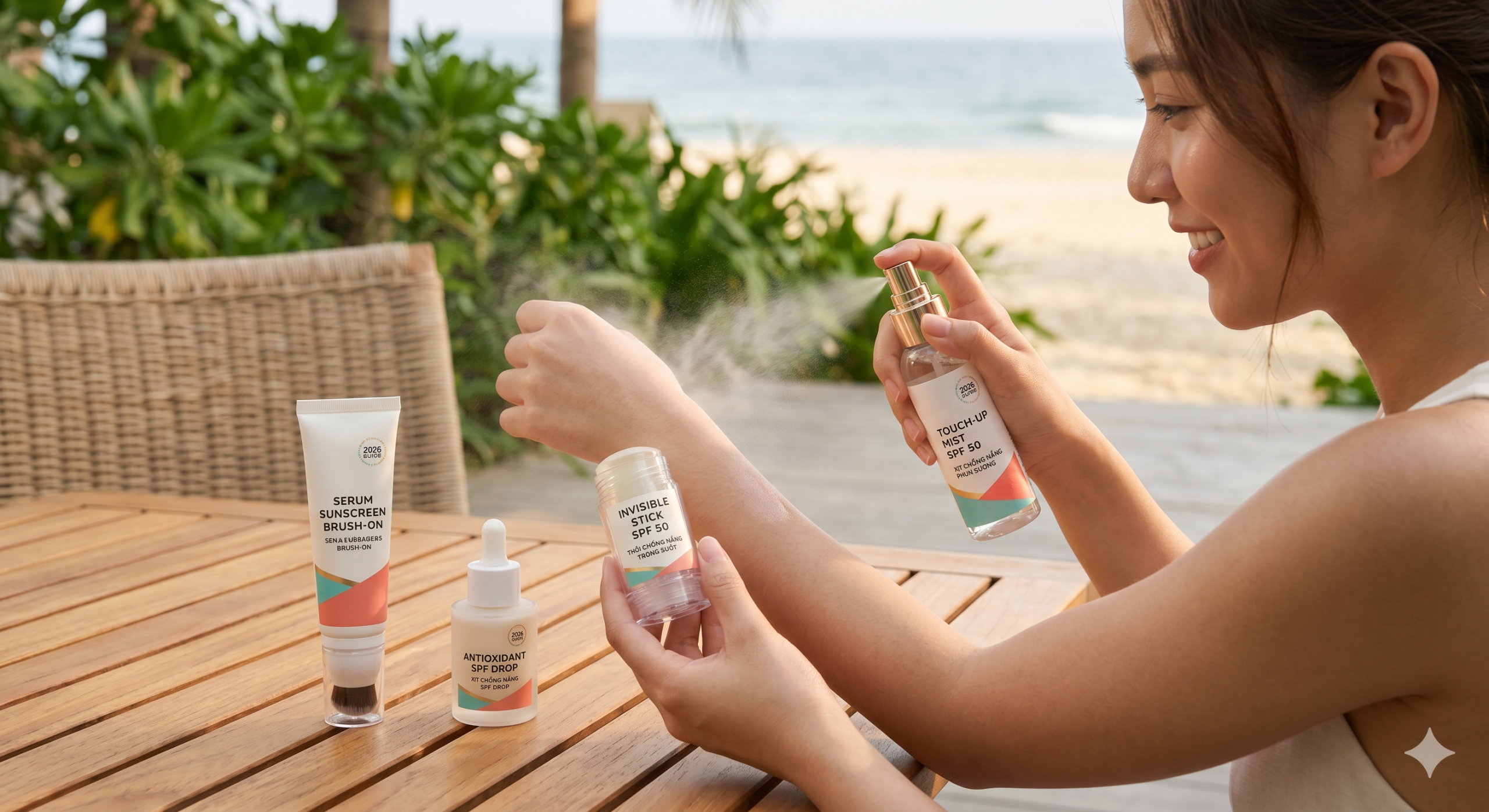
- Face Mists: Perfect for touch-ups over makeup.
- Sun Sticks: Mess-free and convenient for travel or reapplication.
- Tinted Moisturizers with SPF: Combine light coverage with high SPF protection for effortless daily wear — like the Alastin HydraTint Pro Mineral Sunscreen SPF 36, which gives your skin a natural, even-toned finish while shielding it from UV damage.
Conclusion: Make Sunscreen a Daily Habit
Healthy, glowing skin starts with consistent, daily sun protection. No matter your skin type, using the best sunscreen you can find will help prevent irreversible damage and keep your skin looking youthful.
Invest in a high-quality broad-spectrum SPF that suits your specific needs—and most importantly, don’t forget to reapply generously!