

Those tiny white bumps on your cheeks, nose, or under your eyes are not whiteheads — and they definitely should not be popped. They are milia, and knowing how to get rid of milia safely makes all the difference between clearing your skin and making things worse. Below we break down the 6 proven steps that actually work, including how to get rid of milia on the face, under the eyes, on the eyelid, and around the eye area.
Table of Contents
What Are Milia?
Milia are small, dome-shaped keratin cysts that form when dead skin cells get trapped beneath the skin’s surface instead of shedding naturally. New skin grows over them and locks the debris in place, creating those pearly white or yellowish bumps. According to the American Academy of Dermatology, milia are among the most common benign skin conditions affecting people of all ages.
Unlike acne, milia have no pore opening, contain no bacteria, and cause no inflammation. They are purely cosmetic — but persistent without the right approach. They most commonly appear:
- On the cheeks and nose
- Along the forehead and temples
- Under the eyes and on the eyelid
- Around the entire eye area
Neonatal milia (in newborns) typically clears within a few weeks on its own. Adult milia can last several months without targeted skincare intervention.
What Causes Milia?
Primary milia result from trapped keratin — often without a clear trigger. Secondary milia are caused by skin injury or specific habits that impair the skin’s ability to shed dead cells properly:
UV / Sun Damage
Repeated sun exposure thickens the skin over time, slowing natural cell shedding.
Heavy Skincare Products
Rich, occlusive moisturizers and thick eye creams clog pores and trap keratin beneath the surface.
Chemical Treatments
Strong peels or prolonged steroid cream use may disrupt normal skin cell turnover.
Skin Trauma
Burns, rashes, and blisters can trigger secondary milia as the skin repairs itself.
How to Get Rid of Milia: 6 Proven Steps
Never Pick, Pop, or Squeeze
Milia have no natural opening to the surface, so squeezing them at home only causes bleeding, scarring, and infection risk. The only safe way to get rid of milia through extraction is to see a licensed esthetician or dermatologist — they use a sterile lancet to create a micro-incision and remove the cyst cleanly. This is especially critical when it comes to how to get rid of milia on the eyelid, where the skin is extremely delicate.
Cleanse Twice Daily with a Non-Comedogenic Formula
Consistent cleansing removes excess sebum, surface debris, and old skin cells that contribute to milia formation. Choose a gentle, non-comedogenic cleanser — ideally one with low concentrations of AHA or BHA to support mild surface exfoliation. Wash with warm water (not hot) twice daily and avoid heavy, film-leaving cream cleansers. For more guidance, Healthline’s guide on cleansers for milia is a helpful reference.
Exfoliate Gently 1–2 Times Per Week
Chemical exfoliation is one of the most effective ways to get rid of milia on the face because it dissolves the bonds between dead skin cells before they get trapped. Use salicylic acid (BHA), glycolic acid, lactic acid, or mandelic acid — starting once per week, then increasing if your skin tolerates it. Physical scrubs are not recommended as they can cause micro-tears and irritation.
Try a Glycolic or Salicylic Acid Chemical Peel
When regular exfoliation is not enough, a well-formulated chemical peel accelerates cell turnover more aggressively. At-home peel pads work well for mild, scattered milia. Professional in-office peels are more effective for stubborn or widespread clusters. Stick to proven acids like glycolic and salicylic — overly aggressive peels can paradoxically trigger new secondary milia during healing.
Add a Retinoid to Your Nightly Routine
Retinoids (retinol, retinaldehyde, tretinoin) speed up epidermal cell turnover at a deeper level, preventing keratin accumulation before it forms a cyst. Do not layer retinoids with exfoliating acids on the same night — alternate them instead. New retinol users should start at 0.25–0.3% to minimize initial irritation. Retinoids are particularly effective for chronic milia that keep coming back.
Switch to a Lighter, Non-Comedogenic Eye Cream
Heavy eye creams are the leading cause of milia under the eyes and on eyelids. The periorbital skin is the thinnest on the face and easily overwhelmed by rich emollients, petrolatum, and mineral oil. Switch to a lightweight gel or water-based eye cream labeled non-comedogenic. Apply it to the orbital bone only — not directly on the lid or lash line — to reduce migration and buildup.
How to Get Rid of Milia Under Eyes, on Eyelid & Around Eyes
The eye zone needs a different approach because the skin here is thinner, more sensitive, and much closer to the mucous membrane. Here is what works specifically when trying to get rid of milia under eyes, on the eyelid, and around the eye area:
- Use only lightweight, ophthalmologist-tested eye products. Hyaluronic acid gel-creams hydrate effectively without clogging pores.
- Apply eye cream to the orbital bone, not directly on the lid. Product migrates naturally toward the eye — applying further away reduces eyelid buildup.
- Avoid vitamin E oil and petrolatum directly on the lids. These are highly occlusive and a common trigger for milia on the eyelid specifically.
- Do not apply facial exfoliants directly under or on the eyelids. Swipe a gentle lactic acid toner along the upper cheekbone instead — the actives diffuse upward without direct contact.
- Wear a non-comedogenic SPF every day. UV thickening of periorbital skin is a significant and overlooked contributor to milia around and under the eyes.
- For eyelid milia, always see a professional for extraction. Attempting removal at home near the eye carries serious injury risk.
Never Skip Sunscreen — The Most Overlooked Step
UV radiation is one of the primary causes of milia in adults. Sun damage progressively thickens the epidermis, impairs natural desquamation (skin shedding), and enlarges pores — creating the exact conditions in which milia thrive. Wearing a broad-spectrum sunscreen every single morning is non-negotiable if you are serious about getting rid of milia and preventing new ones from forming.
Learn more about how UV damage affects skin cell turnover at SkinCancer.org.
- Non-comedogenic formula — will not create new milia
- Broad-spectrum UVA + UVB protection
- Minimum SPF 30 for daily use (SPF 46+ preferred)
- Lightweight, fast-absorbing texture — essential for the eye zone
Here are 2 dermatologist-recommended sunscreens available at Dermluxa that are specifically suited for milia-prone skin:
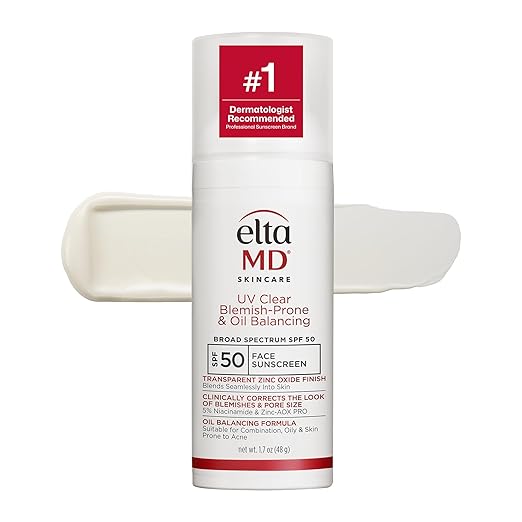
A cult-favorite among dermatologists and one of the most recommended sunscreens for people who want to get rid of milia on the face. Its featherlight, transparent formula provides physical UV protection via zinc oxide, while niacinamide actively minimizes pore appearance and lactic acid gently supports surface cell renewal — two ingredients that directly address the root conditions that lead to milia.
Zinc Oxide · Niacinamide · Hyaluronic Acid · Lactic Acid
💡 Skin type: Acne-prone & sensitive. Can be worn as the final step in your morning routine with no primer needed.
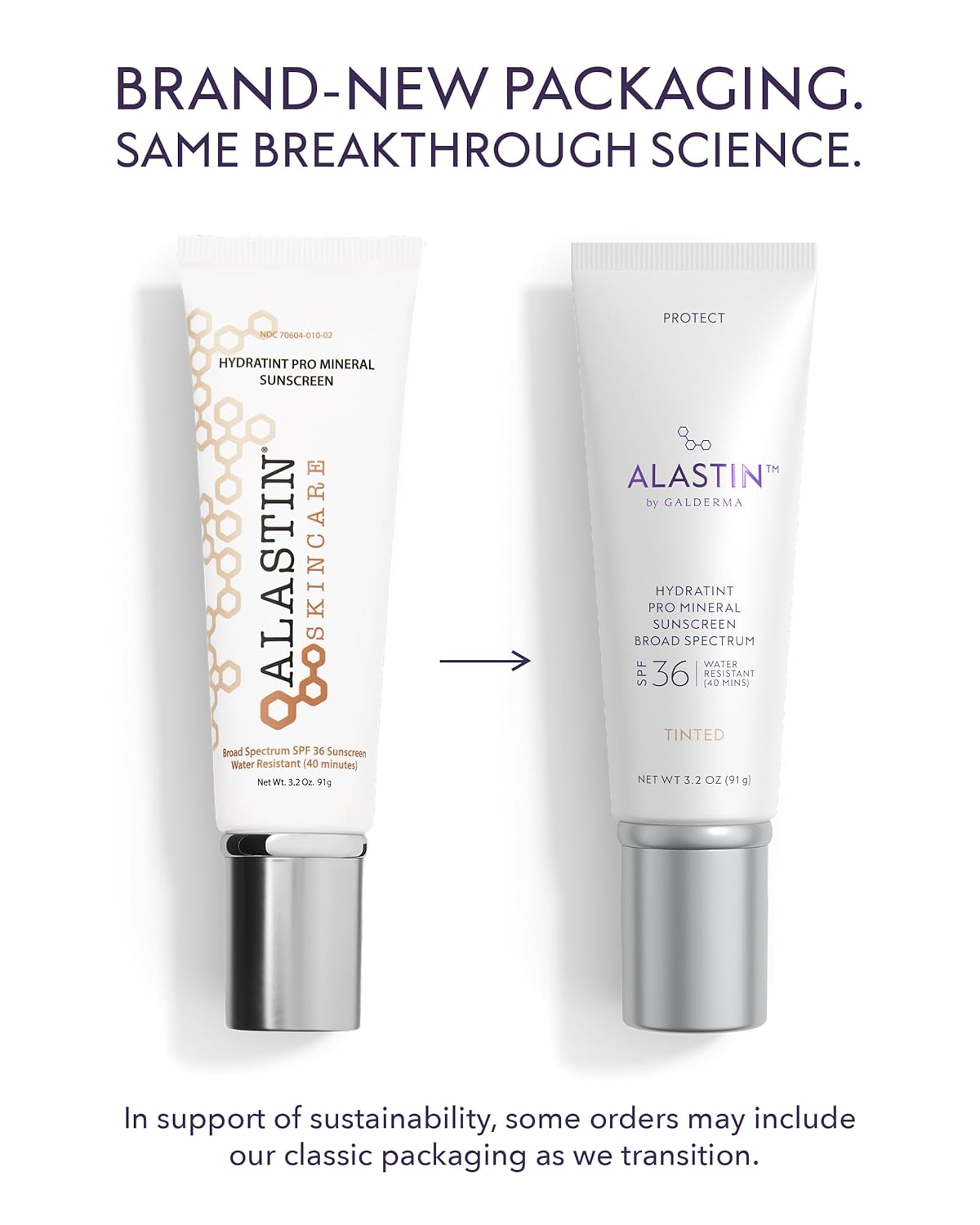
A 100% mineral broad-spectrum SPF with a buildable tint that visually blurs milia while treating the underlying skin. TriHex Technology® supports the skin’s collagen and elastin matrix to improve overall texture over time. Pure physical filters (zero chemical UV absorbers) make this ideal for sensitive and reactive skin types prone to secondary milia.
Zinc Oxide · Titanium Dioxide · TriHex Technology® · Peptides
💡 Skin type: Sensitive & combination. The light tint neutralizes redness and uneven texture — great as a low-coverage base on rest days.
Frequently Asked Questions
The Bottom Line
Milia are harmless but stubborn. Here is the complete, proven routine to get rid of milia and stop them from coming back:
- Do not pick or pop — see a professional for safe extraction
- Cleanse twice daily with a gentle, non-comedogenic formula
- Exfoliate 1–2x per week with AHAs or BHAs to prevent keratin buildup
- Add a chemical peel for stubborn clusters (glycolic or salicylic)
- Use a retinoid on alternating nights to speed up cell turnover
- Swap heavy eye creams for lightweight, non-comedogenic alternatives
- Wear SPF every single day — the most important step for long-term prevention